The Main Principles Of Bed Bug Services
Table of ContentsThings about Bed Bug ServicesSome Of Bed Bug ServicesThe Definitive Guide for Bed Bug ServicesBed Bug Services Things To Know Before You Get This
A thorough bed bug inspection by experts is far more detailed than a casual glance and requires specialized knowledge. Bed bugs are difficult-to-detect, fast-moving pests that often dwell in small hiding places in furniture and walls. Because of their hidden habits, a thorough inspection is essential to determine the presence and extent of an infestation. Professional inspectors rely on specialized equipment, systematic procedures, and experience to detect bed bugs accurately, stopping infestations from worsening.The first step in the inspection process involves knowing the habits and life cycle of bed bugs. Bed bugs belong to the order Hemiptera and progress through eggs, several nymphs, and adult stages. Adults are around five millimeters long, flat, reddish-brown, and wingless with slender legs and antennae. Their mouthparts are designed to pierce skin and extract blood, producing skin irritation and visible marks. Knowing these traits guides professionals in locating infestations.
Early detection is essential for effective management. Professionals look for specific indicators such as dark spots of fecal matter, molted skins, and eggs (Bed Bug Services). Even one female can produce dozens of eggs quickly, resulting in serious outbreaks. Evidence of molted skins or eggshells signals ongoing activity and necessitates immediate attention
Preparing for an inspection demands meticulous preparation. Inspectors often advise removing items that block access, which improves access to furniture and baseboards. Bedding and linens may be cleaned thoroughly and sealed in plastic bags, and then kept in plastic bags to maintain cleanliness. Wall decor, mirrors, and pictures should be taken down to check hiding places. Vacuuming furniture and floors may capture visible bugs and eggs, and vacuum bags should be discarded carefully to avoid spreading.
All about Bed Bug Services
The inspection itself is systematic and thorough. Inspectors start with beds and adjacent furniture, looking closely at creases, joints, and folds. Upholstered furniture, including couches and chairs, is scrutinized to reveal any hidden pests. Baseboards, moldings, the edges of wall-to-wall carpeting, electrical outlets, closets, and storage areas receive detailed attention, as these can be frequent hiding places.
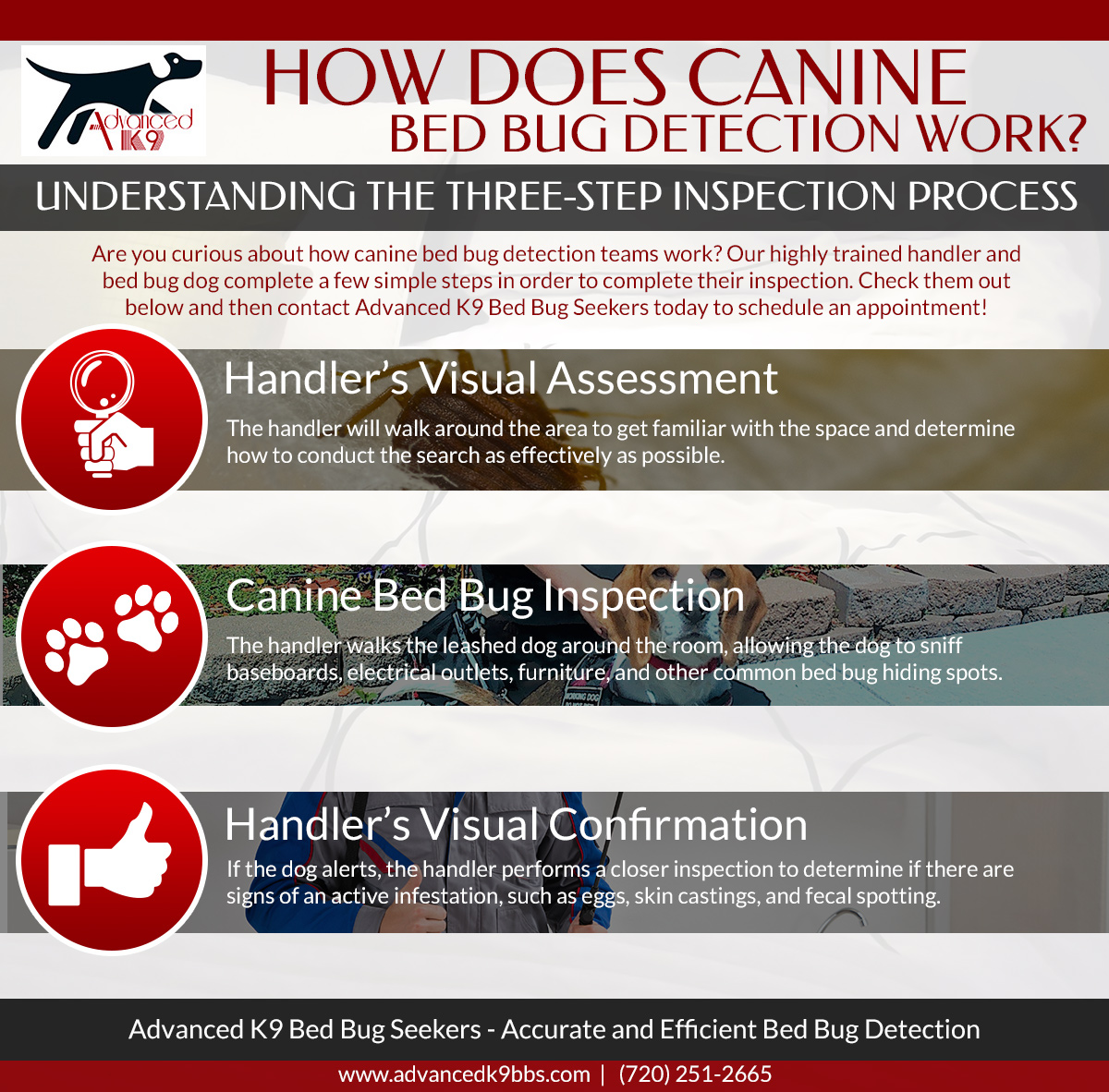
Specialized tools enhance detection accuracy. Flashlights, magnifying lenses, multi-tools, and mirrors provide visibility in crevices and corners. Monitoring devices like interceptor traps or sticky pads aid in identifying infestation trends. Some companies employ trained canines, which accurately identify active infestations, distinguishing them from old evidence.

Meticulous documentation is a key component. Inspectors maintain detailed notes of findings, areas affected, and next steps. This ensures accountability and helps with client communication. Residents are often advised not to remove blood-stained sheets or vacuum infested areas, as this prevents loss of critical information.
After inspection, a monitoring plan may be implemented to confirm the presence of bed bugs and track activity. Continuous monitoring identifies surviving insects after treatment, and collecting feedback from occupants supplements physical inspection. Cooperation from residents ensures accuracy.
Facts About Bed Bug Services Revealed
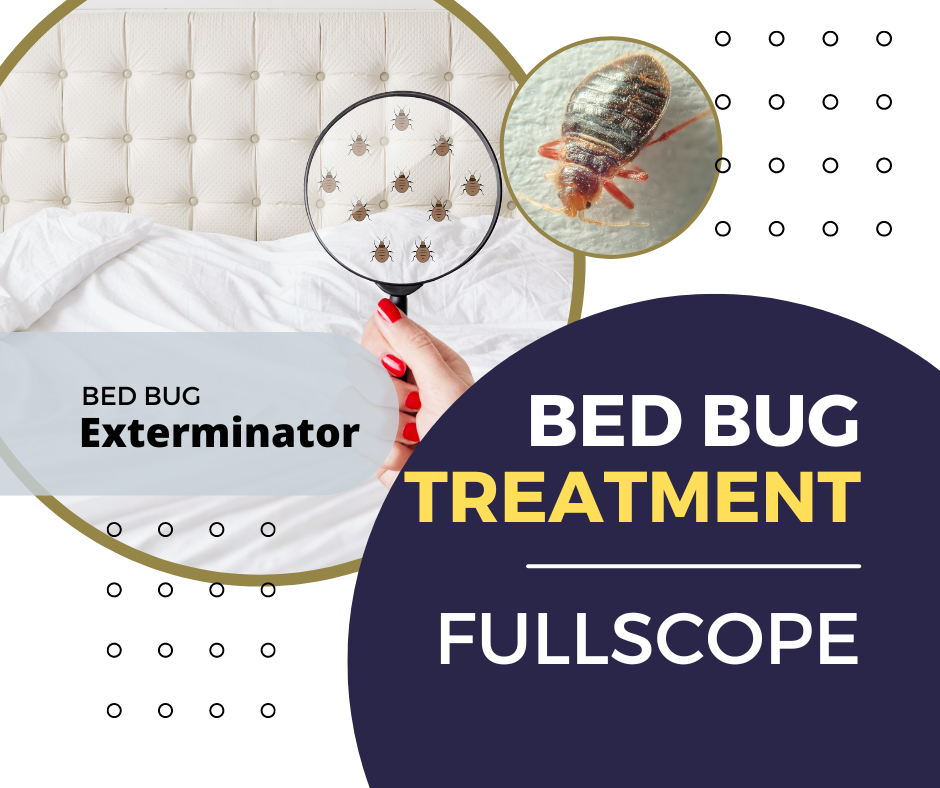
Professional inspections provide confidence that infestations are correctly identified. Trained inspectors know what to look for and where, avoid unnecessary treatments, and confirm the situation accurately.
Bed bug inspections are particularly important in places where Visit This Link infestations spread easily. Inspectors assess all connected areas to confirm complete assessment (Bed Bug Services). This prevents escalation and reduces treatment costs
In summary, a professional bed bug inspection requires knowledge of bed bugs, property preparation, careful examination, tool utilization, record-keeping, and follow-up monitoring. Each step ensures reliable identification and management.
10 Easy Facts About Bed Bug Services Shown